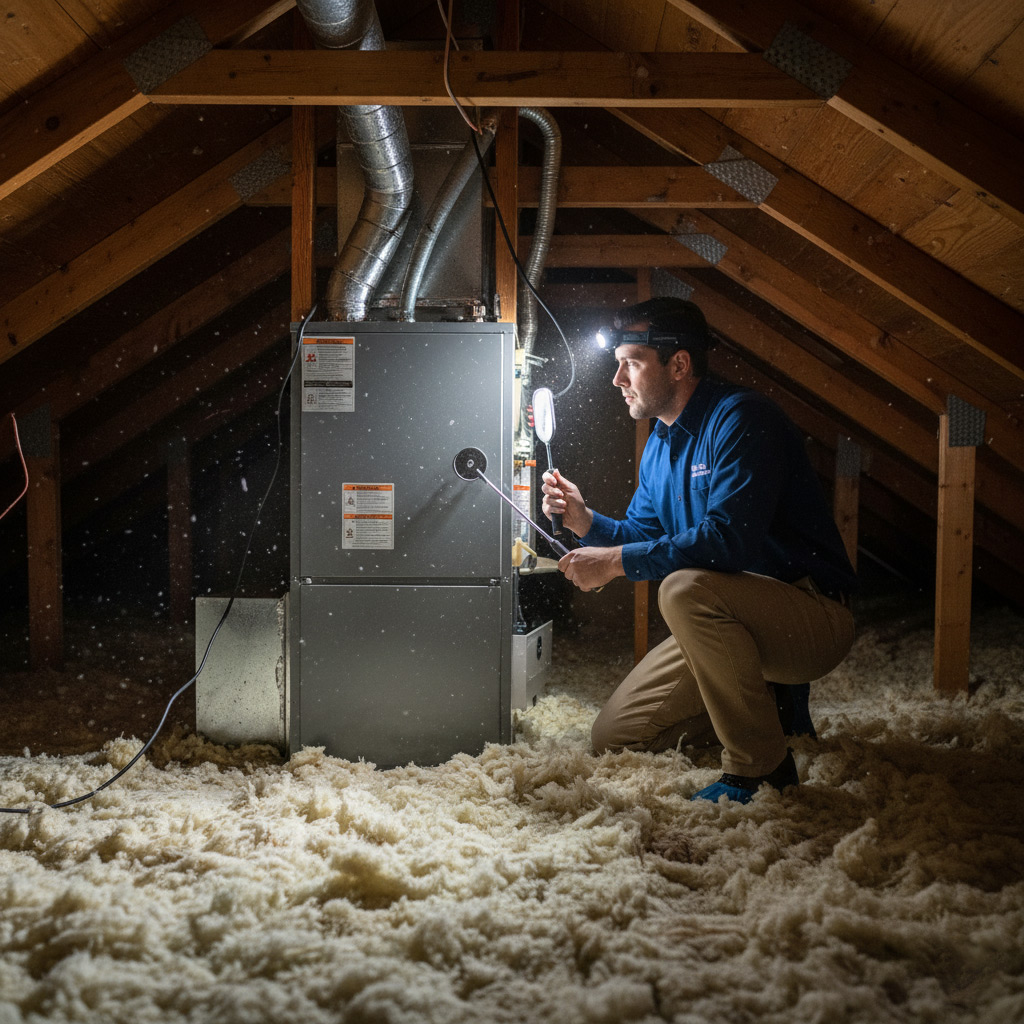
Your heat pump is humming like a tired dog—if the sound’s turning into a whine, you’re probably standing on the edge of a pricey breakdown.
In Rancho Cucamonga’s swing‑season, a sluggish pump can jack up your electric bill and leave you shivering when the sun dips. Ignoring the warning signs means you’ll pay for repairs that could have been avoided.
But there’s a sweet spot where swapping the old unit for a newer, energy‑smart model actually saves you money, not just in the short term but for years to come.
Keep reading and you’ll learn the exact red flags that scream “replace now” before the next heat wave catches you off guard.
How Heat Pumps Operate in Rancho Cucamonga’s Seasonal Climate
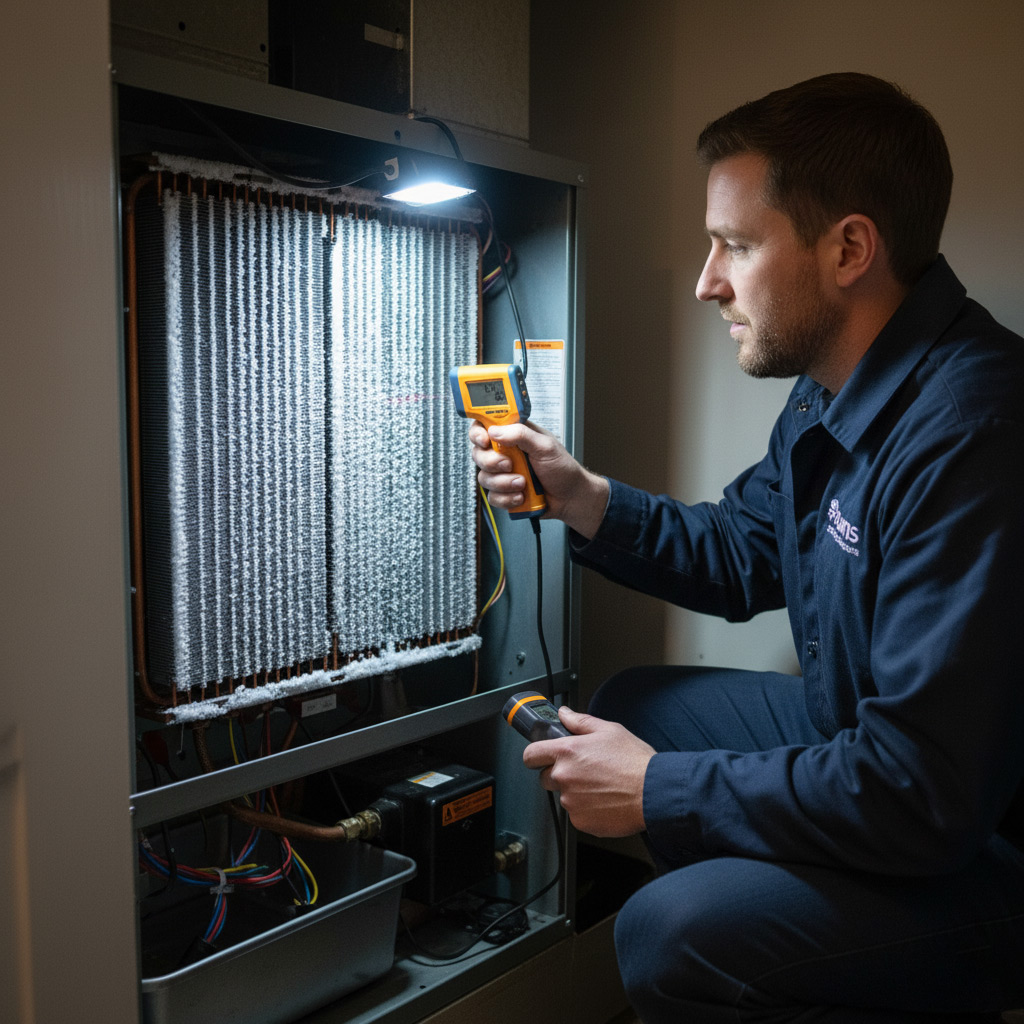
Rancho Cucamonga sits in a sweet spot where summer heat can scorch and winter nights dip just enough to need a little extra warmth. A heat pump flips its mode like a switch—cooling in the summer, heating in the winter—by moving heat instead of creating it. That means it pulls warm air from outside even when the thermometer reads 40°F, then amplifies it inside.
Why the Local Weather Matters
- Temperature swings: The area’s “swing‑season” sees rapid shifts, so a pump must respond quickly.
- Humidity levels: Higher summer humidity forces the unit to work harder to de‑humidify, while dry winter air lets it run more efficiently.
- Altitude and sun exposure: The foothills get more direct sun, which can boost the outdoor coil’s ability to extract heat.
When the outdoor coil can’t grab enough heat—say on a chilly, foggy morning—the system’s compressor revs up, drawing more electricity. That’s the moment you’ll notice a spike in your bill and a drop in comfort. Knowing how the pump reacts to these local quirks helps you spot when it’s fighting a losing battle.
Red‑Flag Symptoms That Signal It’s Time for a New Unit
Temperature swings that won’t quit
When the thermostat says 72°F but the house feels like a freezer one minute and a sauna the next, the pump is losing its grip on climate control. Inconsistent airflow across rooms is a tell‑tale sign the compressor is on its last legs. If you’re constantly adjusting the dial, the unit is begging for retirement.
Noise that isn’t “normal”
A faint hum is fine; a grinding, squealing, or rattling sound is not. Those noises usually mean worn bearings, a failing motor, or a refrigerant leak. Don’t ignore the whine—it’s cheaper to replace now than to pay for a busted motor later.
Sky‑high electric bills and frequent cycling
If your monthly power bill spikes without a change in usage, the pump is working overtime. Short, rapid cycles indicate the system can’t reach set temperature before shutting down. That inefficiency eats money and shortens the unit’s lifespan.
Age and repair history
Once a heat pump hits the 10‑year mark, every repair adds up. A pattern of recurring fixes—like a leaky coil, faulty fan, or thermostat glitches—means you’re throwing good money after bad. When repair costs approach 50% of a new unit’s price, it’s time to walk away.
- Uneven heating/cooling
- Strange noises (grind, squeal, rattle)
- Surging electricity bills
- Frequent short‑cycle shutdowns
- More than two major repairs in 12 months
Repair‑or‑Replace? Crunching the Numbers on Lifetime Costs
Cost of Repairs vs Replacement
One average repair in Rancho Cucamonga runs about $350‑$600. Do that three times in five years and you’re looking at $1,500‑$1,800 out‑of‑pocket.
A brand‑new, ENERGY STAR heat pump costs $4,200‑$5,500 installed. Add a $500 rebate and the net price drops to roughly $3,700‑$5,000.
What the Math Says
Take a 12‑year‑old unit that’s already hit $2,000 in repairs. Replace it now and you’ll save about $1,200‑$1,500 in the next five years on energy bills alone.
Here’s a quick snapshot:
- Annual electricity cost with old unit: $1,200
- Annual electricity cost with new unit: $800
- 5‑year savings: $2,000
When Replacement Wins
If repair costs exceed 30% of the replacement price in a single year, it’s a red flag. Also, if the unit is over ten years old and efficiency has slipped below 13 SEER, the ROI on a new pump flips positive within three to four seasons.
Energy‑Saving Advantages of Upgrading to a Modern Heat Pump
New‑generation heat pumps run on inverter compressors that dial power up or down in real time. That means they never waste energy idling at full blast. Every kilowatt saved translates to dollars on your electric bill.
Lower Utility Bills
When you swap an old unit for a 2024‑model, you’ll see the numbers drop fast.
- Higher SEER ratings – 18+ versus the 13‑14 you’re probably using now.
- Smart thermostats sync with the pump, cutting run‑time by up to 30%.
- Variable‑speed fans keep airflow steady without over‑working the motor.
Improved Comfort & Longevity
A modern pump keeps temperature swings to a whisper. No more hot spots in the living room while the bedroom stays chilly.
- Precise humidity control reduces mold risk.
- Quiet operation – you’ll barely hear it humming.
- Longer lifespan – manufacturers back new units with 10‑year warranties.
Local Incentives, Rebates, and Financing Options for Homeowners
California’s push for greener homes means cash back is waiting for you. Every eligible heat‑pump upgrade can snag a state rebate, and the paperwork isn’t a nightmare if you follow the right steps.
California State Programs
- California Energy Commission (CEC) Rebate: Up to $1,200 for qualifying high‑efficiency units.
- Self‑Generation Incentive Fund (SGIP): Covers a portion of the installation cost for electric heat pumps that meet Tier 3 efficiency.
- Utility‑specific offers (e.g., Southern California Edison): Credits that appear on your next bill.
These programs usually require proof of purchase and a short form. Keep the invoice, serial number, and a copy of the contractor’s certification handy.
Rancho Cucamonga City & Local Utility Perks
- City of Rancho Cucamonga “Green Home” grant: $500 for residents who replace units older than 10 years.
- San Bernardino County Energy Savings Voucher: $300 discount when you use a licensed local installer.
- Special “Summer Cool‑Down” rebate from the local electric cooperative: 5% off the total labor cost.
Most of these offers are first‑come, first‑served. Call the city’s energy office before the end of the fiscal year to lock in your spot.
Financing Made Simple
- 0% APR for 12 months through many major credit unions when you finance the equipment and labor together.
- Pay‑as‑you‑go plans from local HVAC firms: Small monthly payments, no hidden fees.
- Energy‑efficiency loans from the California Housing Finance Agency (CalHFA): Low interest, flexible terms.
Ask your installer to run the numbers on the spot. A quick spreadsheet can show you how the rebate plus financing beats the cost of a repair in just a few years.
Case Study: Replacing a 12‑Year‑Old Heat Pump for a Rancho Cucamonga Resident
Background
When Maria Lopez noticed her electric bill spiking in early November, she blamed the cooler evenings. She didn’t realize her 12‑year‑old heat pump was grinding to a halt.
After a quick call, our tech arrived, listened to the whining compressor, and ran a diagnostic that showed a failing motor and worn‑out refrigerant lines.
The Decision Process
We laid out the numbers: repair costs $1,200 versus a new high‑efficiency unit at $4,500 with a $1,000 rebate.
Maria ran the math. Over five years, the new pump would shave $300 a year off her bill—more than the repair price in savings alone.
She chose the upgrade, and we scheduled installation for the first week of December, just before the cold snap.
Results & Takeaways
The new unit kicked in, and Maria’s home stayed warm without the constant hum. Her next bill dropped by 22%, confirming the projected savings.
- Energy use dropped 35% compared to the old system.
- Rebate covered 22% of the purchase price.
- Warranty extended to 10 years, eliminating future surprise costs.
Maria now recommends the upgrade to neighbors, proving that a timely replacement can turn a looming expense into a long‑term win.
Final Words
When the heat pump starts acting like a tired mule, waiting isn’t an option. The longer you sit on it, the more you pay in electricity and repair bills. Grab the reins now and lock in the savings before the next temperature swing hits Rancho Cucamonga.
Next Steps
- Schedule a free diagnostic with a certified Heat Pump Repair tech.
- Ask about the latest ENERGY STAR models that qualify for local rebates.
- Compare the quoted repair cost to the projected 5‑year operating expense of a new unit.
Got questions or need a quick quote? Our team lives and works right here in Rancho Cucamonga, so we know the climate quirks that matter. Call us today, and we’ll walk you through the numbers, the incentives, and the timeline—no jargon, just straight‑talk solutions.
People Also Ask
How often should a heat pump be replaced in Rancho Cucamonga?
A heat pump typically lasts 10‑15 years in the Rancho Cucamonga climate. If it’s older than 12 years and showing multiple red‑flag symptoms, replacement is often more cost‑effective than continual repairs.What are the signs that my heat pump needs to be replaced?
Common signs include reduced heating or cooling output, frequent cycling, strange noises, and rising energy bills despite regular maintenance. When repairs exceed 50% of the unit’s value, it’s time to consider a new system.Can I save money by upgrading to a newer heat pump model?
Yes. Modern heat pumps have higher SEER and HSPF ratings, which can cut energy costs by 20‑30% compared to older units. The savings often offset the upfront investment within a few years.Are there rebates or financing options for heat pump replacement in Rancho Cucamonga?
Local utilities and the California Energy Commission offer rebates, tax credits, and low‑interest financing for ENERGY STAR‑rated heat pumps. Homeowners should check the San Bernardino County website for the latest incentives.Should I repair or replace my heat pump after a major failure?
If the unit is over 10 years old, has a history of frequent repairs, or the repair cost approaches half the price of a new system, replacement is usually the smarter financial choice. A professional assessment can provide a detailed cost‑benefit analysis.
Rancho Cucamonga HVAC brings over 15 years of certified expertise to homes and businesses throughout Rancho Cucamonga, CA. Their team specializes in efficient heating, cooling, and indoor air quality solutions tailored to the local climate. Committed to responsive service, they prioritize comfort and reliability for the community.
Need HVAC?
We provide rapid HVAC installation, repair, and maintenance for homes and businesses in Rancho Cucamonga and nearby ZIPs (91701, 91730, 91737, 91739, 91761), restoring comfortable indoor climates quickly, often the same day.
Request HVAC Quote