Picture this: you walk through the front door on a scorching July afternoon, and the house greets you with a cool, steady whisper of air. No sweaty shirts, no frantic thermostat fiddling—just pure comfort the moment you step inside.
That kind of instant relief doesn’t happen by accident. In Rancho Cucamonga’s swing‑season climate, a neglected HVAC system can turn a pleasant home into a money‑draining nightmare faster than you can say “service call.”
What you need is a no‑nonsense, step‑by‑step checklist that even the busiest homeowner can follow. From filter swaps to coil inspections, each item on this list is designed to catch problems before they explode into costly repairs.
Ready to lock down the secret sauce that keeps your system running smooth all year? Keep reading and you’ll walk away with a practical game plan you can start using tonight.
Seasonal Inspection Schedule: Quarterly Tasks for Peak Performance
In Rancho Cucamonga, the weather flips faster than a pancake on a griddle, so your HVAC needs a check‑up every three months. A quick, systematic walk‑through each season catches wear before it turns into a pricey emergency, keeping your comfort level steady and your wallet happy.
What to look for each quarter
- Spring (Mar‑May): Verify the outdoor unit is free of pollen and debris; clean the fan blades and inspect the condensate drain for clogs.
- Summer (Jun‑Aug): Test the cooling output with a thermometer; ensure the refrigerant lines are insulated and there are no leaks.
- Fall (Sep‑Nov): Switch to heating mode, check the furnace igniter, and lubricate motor bearings if they sound gritty.
- Winter (Dec‑Feb): Examine the heat exchanger for cracks, confirm the thermostat reads accurately, and look for ice buildup on the coil.
Set a reminder on your phone or calendar for the first week of each quarter. When the date arrives, grab a flashlight, a screwdriver, and a notepad—then run through the list. Doing this yourself saves you a call-out fee and gives you peace of mind that the system will perform when you need it most.
DIY Filter Replacement & Airflow Optimization
Every time you breathe, your HVAC system is fighting dust, pollen, and pet hair. A clogged filter is the silent thief that steals efficiency and hikes your electric bill. Swap it out before it chokes the system, and you’ll feel the difference the moment you turn the knob.
How to Swap a Filter in 5 Minutes
Grab the right size, turn off the unit, and pull the old filter out. Toss it, slide the fresh one in, and you’re done. No tools, no mess.
- Check the label – most filters are 1‑inch thick; high‑MERV options are 2‑inch.
- Note the airflow direction arrow; it must point toward the blower.
- Mark the date with a Sharpie; set a reminder for 30‑day intervals.
Boosting Airflow Without a Pro
Even a clean filter can’t fix blocked vents. Open interior doors, clear furniture from registers, and make sure nothing sits in front of the return grille.
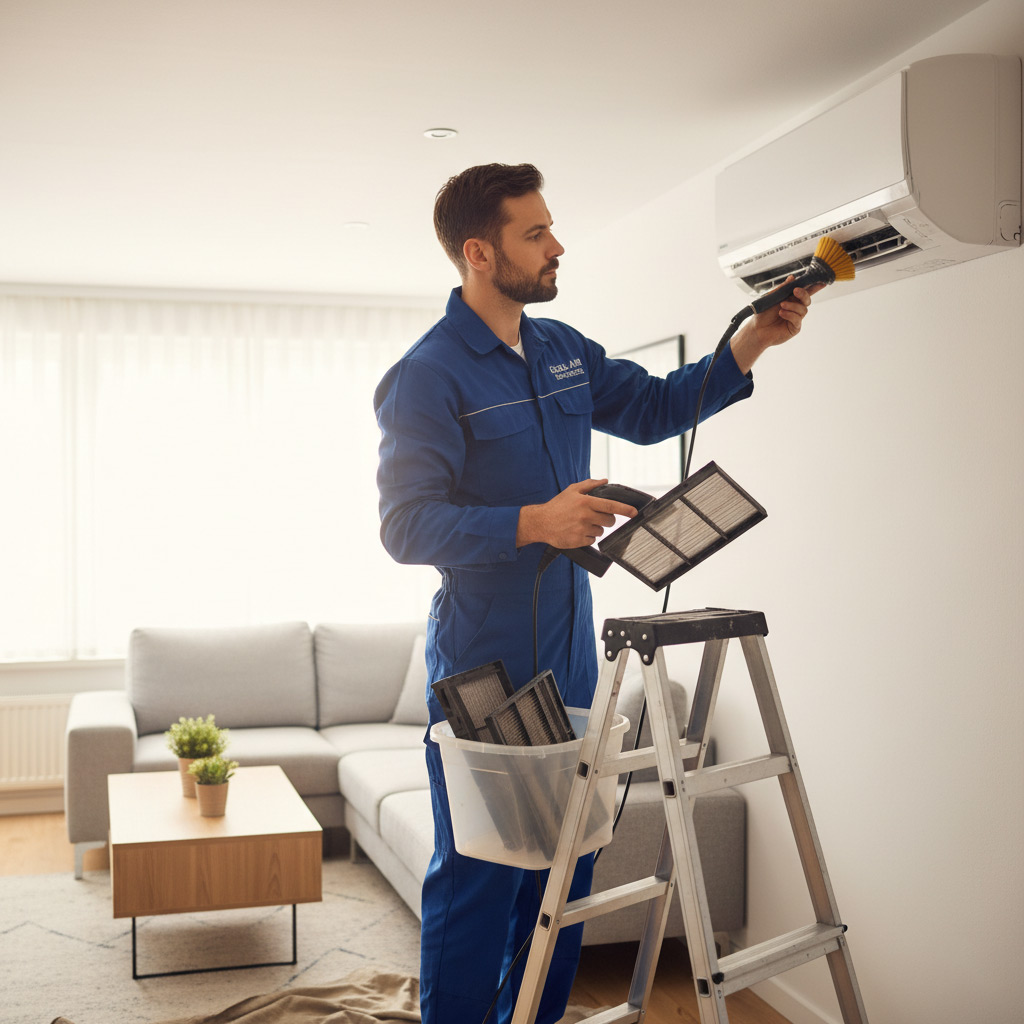
- Vacuum the vent grilles monthly – dust builds up fast.
- Inspect the ductwork for obvious dents or loose sections; a quick tape fix can keep air moving.
- Consider a simple door draft stopper on exterior doors to keep conditioned air where it belongs.
Thermostat Calibration and Smart Control Integration
Why Calibration Matters
Even a brand‑new thermostat can drift off its sweet spot if it isn’t checked twice a year. Mis‑calibrated sensors make your furnace work harder, spiking your electric bill and wearing out components faster. Fix it once, and you’ll feel the difference the next time the desert heat rolls in.
Quick Calibration Checklist
Grab a reliable indoor thermometer and follow these three moves:
- Set the thermostat to “off” and let the house sit for 15 minutes.
- Place the thermometer where the thermostat lives, away from direct sunlight or drafts.
- Compare readings. If they differ by more than 2 °F, adjust the thermostat’s calibration setting (usually found in the menu under “System” or “Advanced”).
After you tweak, run the system for 10 minutes and re‑check. If the numbers line up, you’ve just saved yourself dozens of dollars in wasted energy.
Smart Control Integration
Modern smart thermostats do more than just set a temperature; they learn your schedule and adapt to weather changes. Connect your device to Wi‑Fi, download the companion app, and enable features like geofencing and “away mode.”
Once linked, run a quick test: set the temperature to 78 °F while you’re at work and watch the app confirm the drop. If the house stays comfortable, you’ve nailed the integration. If not, revisit the calibration steps—smart tech can’t fix a faulty sensor.
Coil, Condensate Drain, and Duct Cleaning Essentials
Evaporator & Condenser Coils
Dirty coils act like a clogged artery – they force the compressor to work harder and spike your electric bill. Inspect the fins every quarter and spray a no‑rinse coil cleaner when you see grime.
After the spray, let the system run on “fan‑only” for 10 minutes. This flushes residue out of the airflow path and restores heat exchange efficiency.
Condensate Drain Line
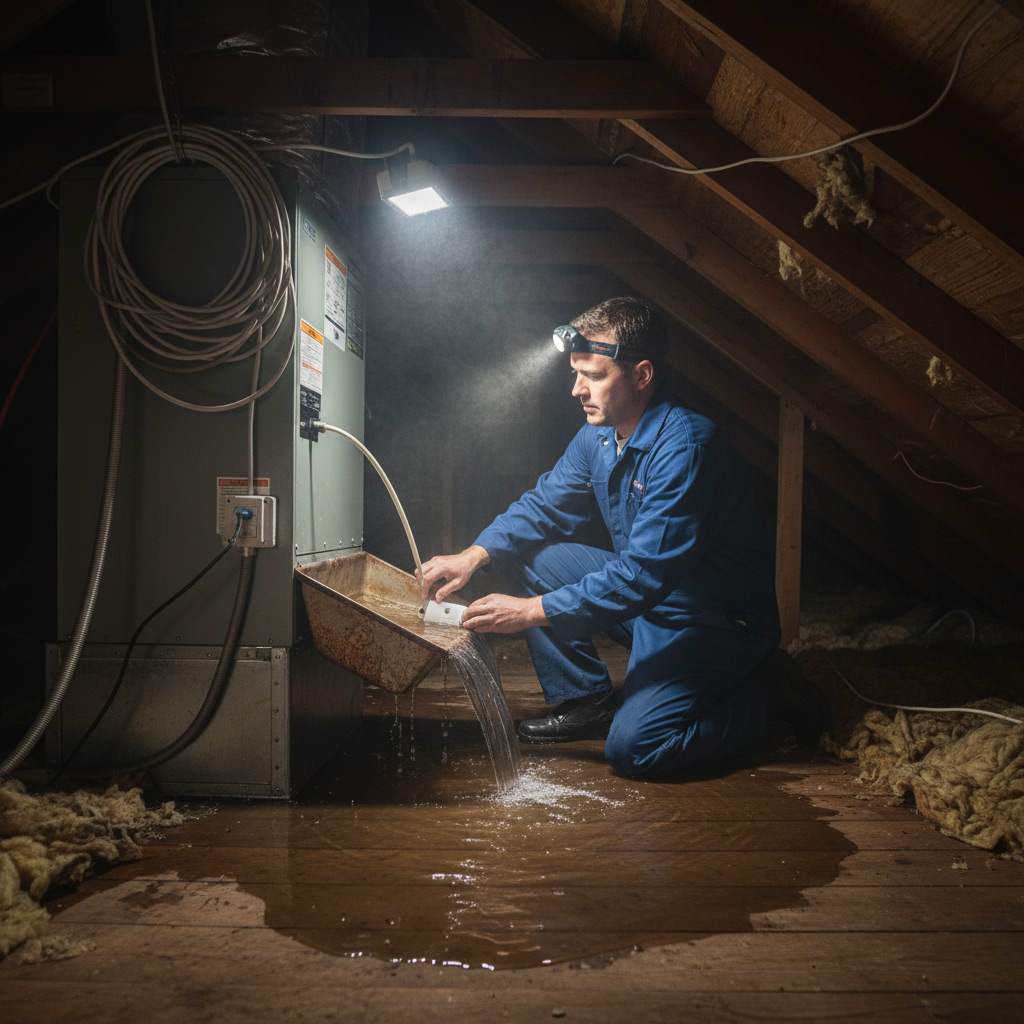
Stagnant water in the drain line is a breeding ground for mold and nasty odors. Clear it before the rainy season hits to avoid backups that can flood your furnace.
Use a wet/dry vacuum to suck out debris, then pour a cup of bleach‑water mixture down the pipe. Run the AC for a few minutes; the flow should be steady and clear.
Ductwork
Dust and pet dander settle in ducts, reducing airflow and circulating allergens. A quick visual check can reveal obvious blockages.
Schedule a professional brush‑and‑vacuum service every 2‑3 years, but you can do a DIY spot‑clean:
- Turn off the system.
- Remove vent covers and vacuum the grilles.
- Use a flexible brush to scrape the interior of larger ducts.
- Replace filters and turn the unit back on.
Clean ducts keep the air fresh and the blower motor happy, extending the life of your whole HVAC setup.

Professional Service Checklist: Signs It’s Time to Call a Technician
Even the most diligent DIYer hits a wall when the system starts talking back. When you notice any of the following, it’s a clear signal that a certified tech should take over.
Red Flags You Can’t Ignore
- Strange noises – grinding, squealing, or rattling that won’t quit.
- Frequent short‑cycling – the unit turns on and off every few minutes.
- Weak airflow despite clean filters and open vents.
- Unexplained spikes in your electric bill.
- Visible water leaks around the furnace or air handler.
- Thermostat displaying error codes or refusing to hold a temperature.
These symptoms usually point to deeper issues like motor wear, refrigerant leaks, or electrical faults. Ignoring them can turn a $200 repair into a $2,000 replacement.
What the Pro Will Do
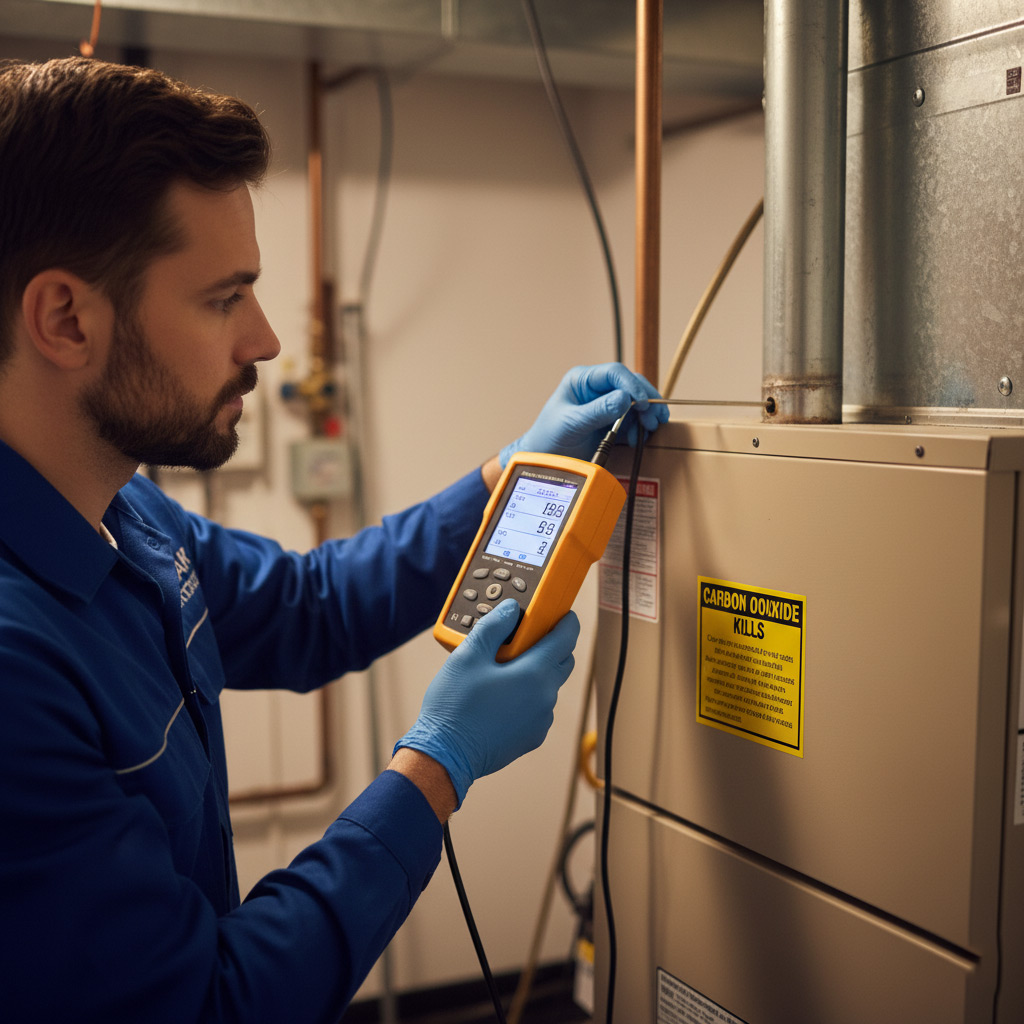
A qualified technician runs a full diagnostic, checks refrigerant pressure, inspects electrical connections, and cleans the blower assembly. They also verify that safety controls are functioning and that your warranty stays intact.
Schedule the visit before the next season change. A quick call now saves you from a sweltering summer or a freezing winter, and keeps your system humming for years.
Case Study: Rancho Cucamonga Home Cuts $2,300 in Repair Costs with Proactive Maintenance
Background
When the Martinez family moved into their 2,300‑sq‑ft ranch‑style home, the HVAC system was already ten years old. They assumed a new unit was inevitable and budgeted $5,000 for a replacement.
Instead, they decided to follow a simple maintenance checklist. Within six months they avoided a costly compressor failure that would have set them back $3,300.
What They Did
Every quarter they tackled three quick tasks:
- Checked and cleaned the outdoor condenser coils.
- Replaced the 1‑inch furnace filter with a high‑MERV option.
- Inspected the condensate drain for clogs and cleared any debris.
They also set a calendar reminder for a professional tune‑up before the summer peak. The technician found a cracked refrigerant line that, if left unchecked, would have caused a refrigerant leak and a $1,200 repair bill.
Results
By staying ahead of the problems, the Martinez home saved:
- $2,300 in avoided emergency repairs.
- Less than $150 on quarterly DIY supplies.
- Thousands of dollars in energy savings thanks to a system that ran at peak efficiency.
The takeaway? A few minutes of effort each season can keep your wallet from taking a hit. The Martinez family now enjoys consistent comfort and a healthier bottom line.
Final Words
When you’ve got a solid checklist in hand, the HVAC system stops being a mystery and becomes a predictable partner. Stick to the schedule, and you’ll dodge the surprise bills that keep homeowners up at night.
Here’s a quick cheat sheet you can tape to the fridge:
- Quarterly: visual inspection, thermostat check, outdoor unit clearance.
- Monthly: swap filters, verify airflow, listen for odd noises.
- Yearly: professional service, coil cleaning, drain line flush.
Got a question or need a pro to take the next step? Our team lives in Rancho Cucamonga, so we know the local climate quirks better than anyone. Dive deeper into the HVAC Maintenance page for more tips, or give us a call and let us handle the heavy lifting.
People Also Ask
How often should I schedule HVAC maintenance in Rancho Cucamonga?
A full HVAC inspection is best done quarterly to match the region’s seasonal temperature swings. This ensures the system runs efficiently during hot summers and chilly winters.Can I replace my HVAC filter myself, and how often?
Yes, most residential filters are user‑replaceable. Check and replace them every 30‑90 days, depending on usage and whether you have pets or allergies.What signs indicate my thermostat needs calibration or an upgrade?
If rooms are consistently too hot or cold despite the thermostat setting, it likely needs recalibration. Upgrading to a smart thermostat can also improve energy savings and remote control.When should I call a professional HVAC technician?
Call a pro if you notice weak airflow, strange noises, frequent short‑cycling, or water leaks from the condensate drain. These symptoms often signal deeper issues that require expert attention.How does regular duct cleaning affect my energy bills?
Clean ducts improve airflow, reducing the workload on your furnace or AC. This can lower energy consumption by up to 15 % and improve indoor air quality.
Rancho Cucamonga HVAC brings over 15 years of certified heating and cooling expertise to the Rancho Cucamonga community. Their team combines local knowledge with industry‑leading training to deliver reliable service and tailored solutions for residential and commercial clients. Committed to energy efficiency and comfort, they prioritize responsive support and transparent communication.
Need HVAC?
We provide rapid HVAC installation, repair, and maintenance for homes and businesses in Rancho Cucamonga and nearby ZIPs (91701, 91730, 91737, 91739, 91761), restoring comfortable indoor climates quickly, often the same day.
Request HVAC Quote