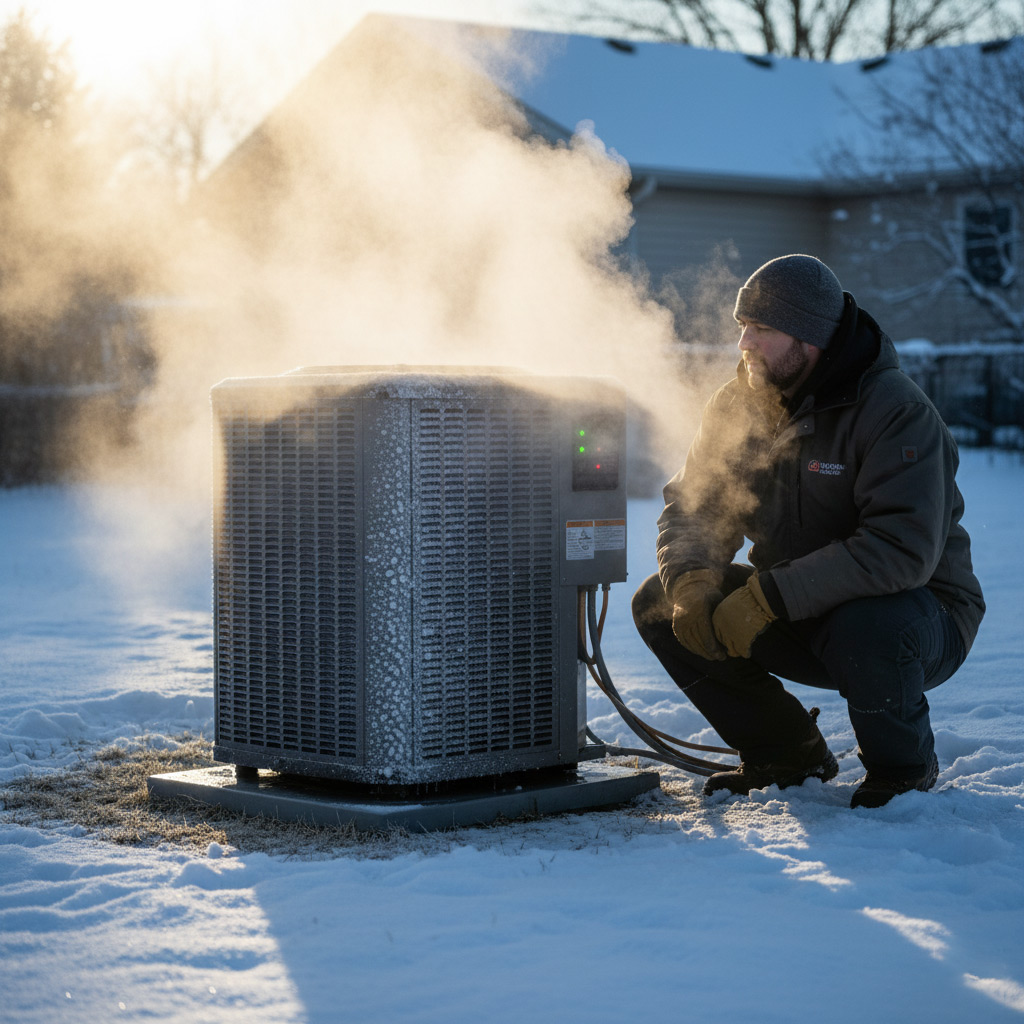
That moment when your air conditioner sputters, whistles, and then goes silent feels like a personal betrayal—especially when the summer heat in Rancho Cucamonga is already turning the thermostat into a cruel joke.
Most homeowners jump straight to the cheapest fix, ignore the warning signs, or try to DIY a job that needs a pro’s touch. The result? A bill that’s bigger than the original repair and a unit that’s still on the fritz.
Stick around, and you’ll discover the exact missteps that drain your cash and the simple habits that keep your AC humming all season long.
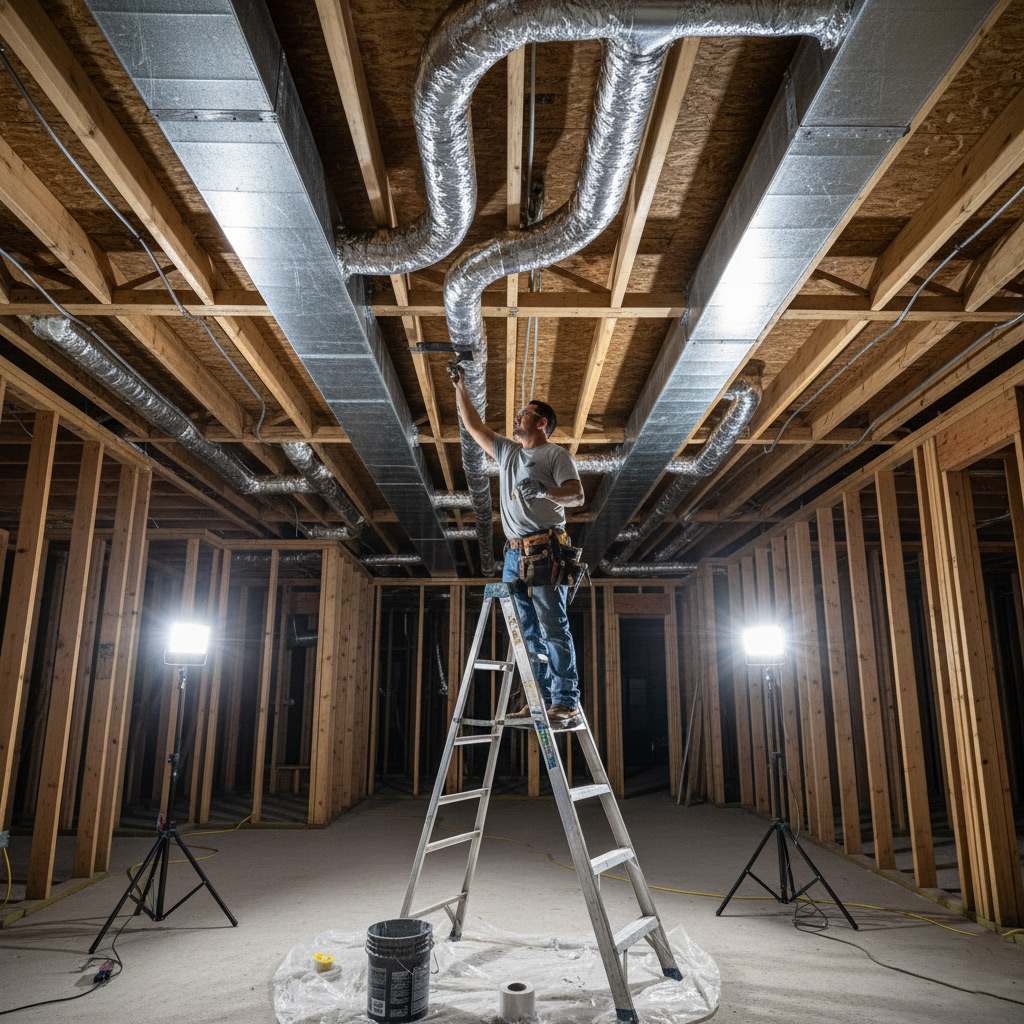
Common DIY Mistakes That Drain Your Wallet
Most homeowners think a quick fix saves cash, but a half‑baked repair often turns a $150 job into a $1,000 nightmare. The heat in Rancho Cucamonga doesn’t wait, and neither does a failing compressor. One wrong move can fry the whole system.
What Not to Tinker With
- Replacing the capacitor without testing its voltage rating.
- Cleaning the coil with a garden hose—water can seep into electrical components.
- Using generic refrigerant instead of the exact blend your unit requires.
These shortcuts feel like a win until the next bill arrives. Skipping a proper leak check means you’ll keep adding refrigerant, and the tank will empty faster than you can say “cool”.
Why Cheap Parts Bite Back
- Low‑cost fan motors lack the durability of OEM versions.
- Off‑brand thermostats can misread temperature, causing the compressor to overwork.
- Sub‑standard filters clog quicker, forcing the system to run harder.
When the cheap part fails, you’re back on the call list, and the repair cost balloons. Investing in the right component the first time saves you time, sweat, and a lot of cash.
Ignoring Early Warning Signs: Small Issues That Become Big Bills
Strange Noises Are Not Just Background Music
When your AC starts rattling or whining, it’s screaming for attention. Those sounds usually mean a loose part or a failing motor. Letting it ride out turns a cheap fix into a full‑blown replacement.
Thermostat Tells a Tale
If the thermostat jumps from 72° to 80° in minutes, the sensor is probably off. A mis‑reading forces the unit to work harder, spiking your electric bill. A quick sensor check can stop the runaway cost.
Visible Frost or Water Leaks
Ice on the coils or a puddle under the unit isn’t “just weather.” It signals low refrigerant or a clogged drain line. Ignoring it leads to compressor damage that can cost thousands.
- Check the air filter monthly – a clogged filter makes the system labor.
- Listen for any new clicks or buzzes – they’re early red flags.
- Inspect the outdoor unit for debris – leaves and dirt choke airflow.

The Hidden Costs of Going Cheap: Why Low‑Bid Repairs Often Backfire
Cheap Parts = Expensive Problems
When a contractor slashes the price by swapping in a generic coil or a low‑grade capacitor, you might save a few bucks today, but the unit’s efficiency drops fast. That means higher electricity bills and a shorter lifespan for the whole system.
Typical hidden expenses include:
- Premature part failure that forces another service call.
- Warranty voids because the manufacturer won’t cover non‑OEM components.
- Increased wear on the compressor, leading to a costly replacement.
Short‑Term Savings, Long‑Term Pain
Hiring a “budget” technician often means less experience on the job. They may miss a refrigerant leak or ignore a failing fan motor, thinking it’s “minor.” That oversight turns a $150 fix into a $1,200 nightmare.
Watch out for these red flags:
- Unclear explanation of what’s being replaced.
- No written guarantee on labor or parts.
- Pressure to approve extra work on the spot.
Energy Bills Won’t Lie
A cheap repair can leave your system running inefficiently, so you’ll feel the sting every month when the electric meter spins faster. It’s a silent cost that adds up faster than any “discount” you got.
What you’ll actually pay for:
- Higher monthly utility costs—often $30‑$50 more per month.
- Additional service calls to “tune up” a system that never got a proper fix.
- Potential need for a full system replacement sooner than expected.
How to Vet and Choose a Trustworthy HVAC Contractor in Rancho Cucamonga
First thing’s first: don’t let a flashy ad or a “$99 service call” lure you into a bad deal. A solid contractor will have a clear license, insurance, and a track record you can actually check. If they’re vague, walk away.
Three Red‑Flag Checks Before You Sign Anything
- License & Insurance: Verify the contractor’s CA C‑20 license on the state website. Ask for proof of liability and workers’ comp insurance.
- References & Reviews: Call at least two recent customers. Look for consistent praise about timeliness and clean‑up.
- Written Estimate: A reputable pro will break down labor, parts, and taxes. No surprise line items later.
Once the basics are solid, dig a little deeper. Does the company belong to a professional body like ACCA or NATE? Those memberships mean they stay current on the latest tech and safety codes. Also, ask about their warranty policy—good firms stand behind their work for at least a year.
Finally, trust your gut. A contractor who shows up on time, listens to your concerns, and explains the problem in plain English is worth the extra few dollars. In Rancho Cucamonga, the right pro will keep your AC humming and your wallet breathing easy.
Proven Preventative Maintenance Practices to Keep Your AC Running Efficiently
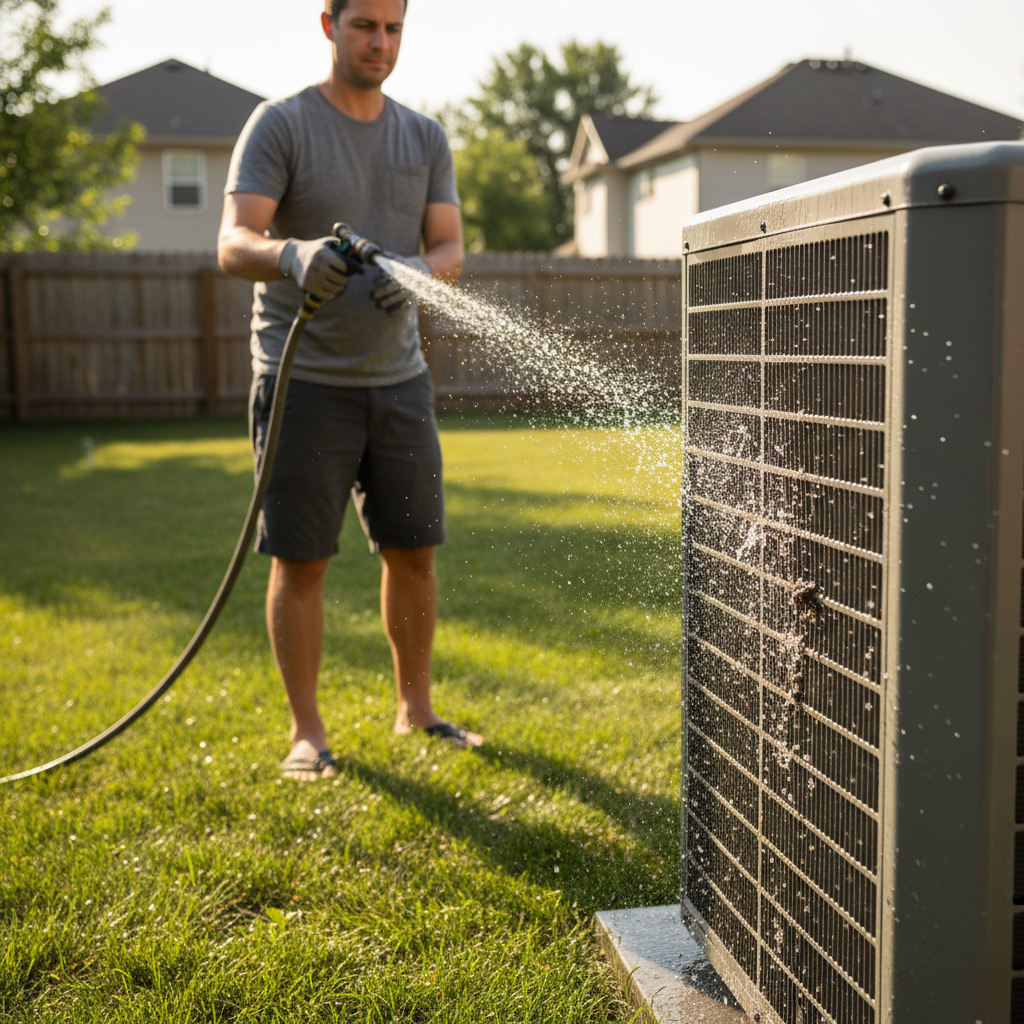
Think of your AC like a car—you don’t wait for the engine to seize before you change the oil. A quick once‑a‑month glance at the filter and a tidy coil can shave off dozens of dollars before the summer heat even shows up.
Seasonal Checklist
- Swap or clean the air filter every 30‑45 days. A clogged filter forces the blower to work harder, raising your electric bill.
- Inspect the outdoor condenser for debris. Leaves, twigs, or a dust blanket act like a blanket on a furnace.
- Check the condensate drain line. A slow‑draining line can cause water damage and trigger a freeze‑up.
- Test the thermostat calibration. If the reading is off by more than 2 °F, you’re paying for phantom cooling.
Even the best DIY routine can miss the hidden stuff. That’s why a **professional tune‑up** once a year is worth the investment. A certified tech will verify refrigerant pressure, tighten electrical connections, and spot wear before it becomes a costly breakdown.
Case Study: Saving $1,200 by Avoiding a Major Repair Mistake in Rancho Cucamonga
The Situation
When the Johnson family noticed a faint buzzing from their central AC, they assumed a simple capacitor replacement would do the trick.
Instead of calling a pro, they bought a cheap part online and tried to install it themselves.
The Mistake
What seemed like a quick fix turned into a costly disaster because they missed a critical step.
Key oversights included:
- Skipping the power shut‑off – the unit sparked and fried the new capacitor.
- Using a generic part that didn’t match the manufacturer’s specs.
- Neglecting to check the refrigerant pressure, which later caused a leak.
The Savings
After the botched DIY, they called a certified Rancho Cucamonga HVAC contractor.
The pro discovered the damaged capacitor and a small refrigerant leak that, if left unchecked, would have required a full compressor replacement.
By addressing the issue early, the homeowner avoided a $1,200 bill and kept the system running smoothly for the rest of the summer.
Final Words
When the heat rolls in, you don’t have time to wonder why your AC quit. The smartest homeowners treat their system like a car—regular check‑ups, honest diagnostics, and a trusted mechanic who knows Rancho Cucamonga’s climate quirks.
Take Action Today
Don’t wait for a frozen coil or a busted compressor. Call a certified technician, schedule a Air Conditioning Repair inspection, and lock in a maintenance plan before the next heat wave hits.
- Ask for proof of licensing and insurance.
- Get a written estimate that breaks down parts, labor, and warranty.
- Set a calendar reminder for bi‑annual service.
Follow these simple steps, and you’ll keep your AC humming, your wallet happy, and your summer evenings comfortably cool.
People Also Ask
What are the most common DIY AC repair mistakes that cost money?
Improperly cleaning or tightening components can damage delicate parts, and using the wrong refrigerant can void warranties. Skipping safety precautions may also lead to personal injury and additional repair fees.How can I spot early warning signs before an AC problem becomes expensive?
Watch for reduced airflow, unusual noises, or a sudden rise in energy bills. These symptoms often indicate a minor issue that, if addressed promptly, can prevent costly component failures.Why do low‑bid AC repairs often end up costing more in the long run?
Cheap bids may use sub‑standard parts or inexperienced technicians, leading to repeat failures. The initial savings are quickly erased by additional repairs or a full system replacement.What should I look for when choosing an HVAC contractor in Rancho Cucamonga?
Verify the contractor’s license, insurance, and local reviews, and ask for proof of certifications such as NATE. A reputable company will provide clear estimates and a written warranty on their work.How does regular preventative maintenance save money on AC repairs?
Scheduled tune‑ups keep coils clean, refrigerant levels optimal, and moving parts lubricated, which reduces wear and improves efficiency. This proactive approach lowers energy costs and extends the lifespan of the system.
Rancho Cucamonga HVAC brings over 15 years of certified heating and cooling expertise to the Rancho Cucamonga community. Their team combines local knowledge with industry‑leading training to deliver reliable service and tailored solutions for residential and commercial clients.
Need HVAC?
We provide rapid HVAC installation, repair, and maintenance for homes and businesses in Rancho Cucamonga and nearby ZIPs (91701, 91730, 91737, 91739, 91761), restoring comfortable indoor climates quickly, often the same day.
Request HVAC Quote