Ever walked into a neighbor’s home and felt a perfect breeze while yours is stuck in a sweaty standoff? That’s not luck—it’s design, and most homeowners in Rancho Cucamonga never even know it exists.
The valley’s scorching summers and chilly winters demand more than a generic furnace or AC unit. A smart layout can turn a mediocre system into a powerhouse that keeps every room at the right temperature without draining your wallet.
What if I told you there are a handful of little‑known tricks that pros keep under their hats? From sneaky duct placements to hidden airflow boosters, these hacks can shave off hundreds on energy bills and boost comfort instantly.
Stick around and we’ll pull back the curtain on the exact moves you can start using today to make your HVAC work like a dream.
Understanding Rancho Cucamonga’s Climate and Its Influence on HVAC Design
Rancho Cucamonga sits in a high‑desert pocket where summer temps regularly hit the high 90s, while winter nights can dip into the 30s. The dry air means the heat climbs fast, but it also means the house loses warmth quickly once the sun sets. Designing for this swing isn’t about picking the biggest unit; it’s about matching the system to the climate’s rhythm.
Key Climate Factors
- Temperature extremes – scorching days, chilly evenings.
- Low humidity – reduces perceived heat but can dry out indoor air.
- Sun‑facing walls – amplify heat gain on the west side.
- Nighttime breezes – offer natural cooling if captured correctly.
Those four points dictate three design moves: size the furnace and AC for peak loads, protect the envelope from solar gain, and let the night air do some of the work. Ignoring any one of them forces the system to run harder, which spikes the bill and wears out components faster.
Another hidden player is the micro‑climate created by local landscaping and pavement. A concrete driveway reflects heat onto the foundation, while mature trees can shade a whole side of the house. Smart placement of vents and ducts can harness or block those effects, turning a potential problem into a free‑cooling advantage.
Optimizing Ductwork Layout for Maximum Efficiency
Every foot of duct is a chance to lose heat or cool air. Keep runs as short and straight as possible, and cut out unnecessary elbows that act like speed bumps for airflow. Less distance = less loss, and the system doesn’t have to work overtime to keep rooms comfortable.
Size Right, Balance Tight
Choosing the proper diameter is half the battle; too big and the air drifts, too small and the fan strains. Follow these quick checks:
- Calculate the cubic feet per minute (CFM) each room needs.
- Match duct size to CFM – a rule of thumb is 1 in² per 100 CFM for main trunks.
- Install adjustable dampers at branch points to fine‑tune flow.
When the ducts are balanced, every vent gets its fair share, and you’ll notice a steadier temperature across the house. No more hot spots in the kitchen or icy drafts in the bedroom.
Seal every joint like a pro. Use foil‑backed mastic or UL‑rated tape, not the cheap cloth‑type tape that peels after a season. A tight seal stops up to 30 % of leaks, which translates directly into lower utility bills and a quieter system.

Strategic Placement of Supply Vents and Return Air for Balanced Airflow
Why Position Matters
When a vent blows cold air straight into a wall, the room feels drafty and the system works harder. Place supply vents where the air can travel freely, like over windows or in the center of the ceiling. That simple shift can cut your run‑time by minutes each cycle.
Supply Vent Secrets
Follow these quick rules to get the most out of every ounce of conditioned air:
- Mount high‑side vents above doors to push air down and fill the space.
- Use floor‑level vents in rooms with heavy furniture; they lift warm air upward.
- Space vents at least 12 inches apart to avoid competing streams.
- In open‑plan areas, stagger vents in a diagonal pattern for even distribution.
Return Air Placement Tricks
Returns are the unsung heroes that keep pressure balanced. Position them opposite the supply side whenever possible.
- Center returns on the ceiling of large rooms to pull air straight up.
- Install a return near the thermostat; it gives the sensor a true reading.
- Avoid placing returns behind large cabinets or closets—blocked flow = wasted energy.
- Consider a secondary return in basements or attics where warm air tends to pool.
Leveraging Zoning, Smart Thermostats, and Variable-Speed Technology to Cut Energy Costs
Zone‑by‑Zone Control
Instead of blasting the whole house when only the master suite needs cooling, split the system into independent zones. Each zone gets its own damper and thermostat, so you pay only for the space you’re actually using.
Benefits you’ll notice right away:
- Lower utility bills because idle rooms stay off.
- Improved comfort – no more hot spots or cold drafts.
- Extended equipment life; the furnace or AC isn’t forced to run nonstop.
Smart Thermostats: The Brain Behind the Operation
Modern thermostats learn your schedule, adjust on the fly, and can be controlled from a phone. They talk to your HVAC gear, telling it when to ramp up or back off.
Key features that matter:
- Geofencing – the system knows when you’re home or away.
- Real‑time alerts for filter changes or maintenance needs.
- Integration with voice assistants for hands‑free tweaks.
Variable‑Speed Motors: Quiet Powerhouses
Unlike single‑speed units that slam on full blast, variable‑speed compressors and fans modulate output to match demand. The result is a steady, whisper‑quiet flow that keeps temperatures steady without the energy spikes.
Why you’ll love them:
- Consistent indoor climate, no sudden temperature swings.
- Reduced wear on components, meaning fewer service calls.
- Significant savings on electricity because the motor never runs at 100 % unless it has to.

Integrating Insulation, Air Sealing, and Ventilation Strategies into the Design
Why Insulation Matters
In Rancho Cucamonga’s swing‑season climate, a wall that leaks heat is a money‑sucking black hole. Proper insulation keeps the furnace from overworking in winter and the AC from screaming in summer.
Think of it as a thermal blanket that lets your HVAC system do its job without constantly fighting the outside.
Insulation Hacks You Can Deploy Today
- Upgrade attic R‑value to at least R‑38 – the biggest ROI on any home improvement.
- Seal rim joist gaps with spray foam; those tiny cracks steal up to 30% of conditioned air.
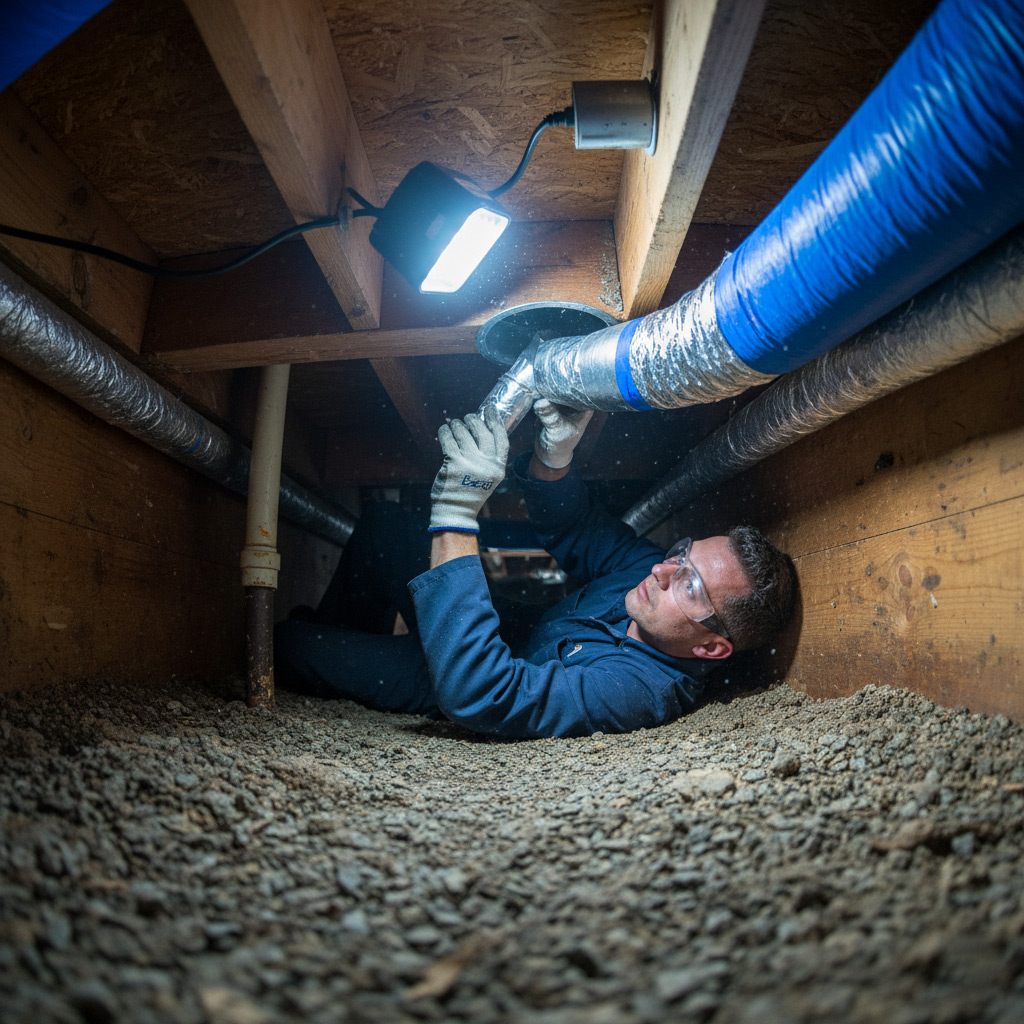
- Wrap ductwork in insulated jackets, especially in unconditioned crawl spaces.
Air Sealing Tactics
Air leaks are the silent culprits behind uneven temperatures. Find them, seal them, profit.
Start with a simple smoke test: light a incense stick near doors, windows, and outlets. If the smoke wavers, you’ve got a leak.
Quick Air‑Seal Checklist
- Apply caulk around window frames and exterior trim.
- Install weatherstripping on all exterior doors.
- Use expanding foam on service penetrations (electrical, plumbing).
Ventilation That Doesn’t Waste Energy
Fresh air is non‑negotiable, but you don’t want to dump conditioned air out the window. A balanced ventilation system recovers heat in winter and cool in summer.
Heat‑recovery ventilators (HRVs) or energy‑recovery ventilators (ERVs) pull in outside air, pre‑condition it, and send it straight to your living spaces.
Ventilation Best Practices
- Place the HRV/ERV near the main return to maximize airflow.
- Set the unit to run on low speed during mild days – it uses a fraction of power.
- Combine with a smart thermostat that can pause ventilation when the house is empty.
Case Study: Revamping a Rancho Cucamonga Home with Cutting‑Edge HVAC Design Hacks
The Situation
A 2,300‑sq‑ft ranch in the foothills was battling hot spots in the master suite and icy drafts in the den. The original system was a single‑stage furnace paired with a dated split‑system AC, installed 15 years ago. Homeowners were paying $300 a month in energy bills and still felt uncomfortable.
The Makeover
Our crew started with a full load calculation, then applied a handful of tricks that most contractors skip.
- Re‑routed the main trunk to shorten the longest run by 12 feet, cutting pressure loss.
- Installed variable‑speed supply fans on each zone, letting the system breathe when demand was low.
- Added a high‑velocity return in the attic, pulling stale air from the upstairs bedrooms without a bulky grille.
- Sealed every seam with aerosol‑applied foam, eliminating the sneaky leaks that were stealing 15% of the output.
- Wrapped the ductwork in reflective insulation, a cheap move that dropped heat gain by nearly 8 °F.
We also introduced a smart thermostat that learns the family’s schedule, and set up three zones: main floor, upstairs, and the garage workshop.
Results
Within two weeks the energy bill fell to $180, a 40% reduction. The master bedroom finally stayed at a steady 72 °F, while the den no longer felt like a walk‑in freezer.
Homeowners reported a noticeable comfort boost and said the system “just works” – no fiddling, no surprises. The upgrade paid for itself in under 18 months, and the house now has resale value that reflects a modern, efficient HVAC backbone.
Final Words
When you pull all these tricks together, you’re not just installing a system—you’re building a comfort machine that works for you, not against you. Think of it as a cheat code for your home’s climate, and remember that the right design pays for itself in lower bills and happier family members.
Quick Checklist Before You Call the Pros
- Confirm duct runs are short, straight, and insulated.
- Place supply vents where they can reach the occupied zone without obstruction.
- Install a smart thermostat and set up zones for each major area.
- Seal every crack, gap, and attic leak before the first test run.
- Review the HVAC System Design guide to ensure nothing’s missed.
Take these notes, hand them to your installer, and watch the magic happen. A well‑designed HVAC system isn’t a luxury—it’s the smartest investment you can make in a Rancho Cucamonga home.
People Also Ask
How does Rancho Cucamonga’s climate affect HVAC system design?
The region’s hot, dry summers and cool, wet winters require a system that can handle both high cooling loads and moderate heating. Selecting a unit with a high SEER rating and a variable‑speed furnace helps maintain comfort year‑round while minimizing energy waste.What’s the best way to size ductwork for a Rancho Cucamonga home?
Use Manual D calculations that factor in the home’s square footage, insulation levels, and local climate data. Properly sized ducts reduce static pressure, improve airflow, and increase overall system efficiency.Where should supply vents and return air grilles be placed for balanced airflow?
Place supply vents high on walls or in ceilings to promote natural convection, and locate return grilles low on walls or in the floor to draw cooler air upward. This arrangement creates a steady circulation pattern and prevents hot or cold spots.Can zoning and smart thermostats really lower energy bills in Rancho Cucamonga?
Yes—zoning lets you heat or cool only occupied zones, while smart thermostats learn daily patterns and adjust settings automatically. Combined with variable‑speed equipment, they can cut energy use by up to 30 %.How do insulation and air sealing complement HVAC design?
Proper insulation reduces heat transfer, allowing the HVAC system to work less to maintain temperature. Air sealing eliminates drafts and leaks, ensuring the conditioned air stays where it’s needed for maximum efficiency.
Rancho Cucamonga HVAC brings over 15 years of certified expertise to homes and businesses throughout Rancho Cucamonga, CA. Their team specializes in efficient heating, cooling, and indoor air quality solutions tailored to the local climate. Committed to responsive service, they prioritize comfort and reliability for the community.
Need HVAC?
We provide rapid HVAC installation, repair, and maintenance for homes and businesses in Rancho Cucamonga and nearby ZIPs (91701, 91730, 91737, 91739, 91761), restoring comfortable indoor climates quickly, often the same day.
Request HVAC Quote