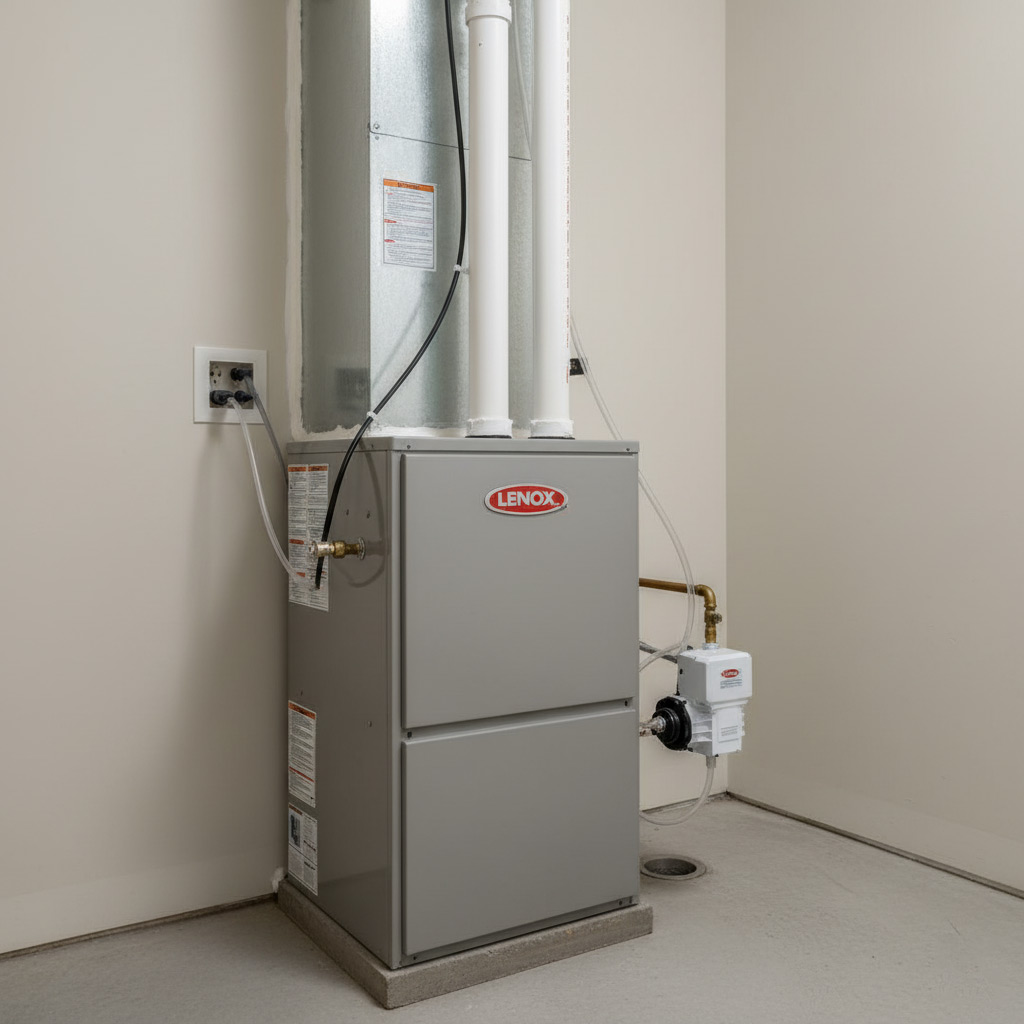
You think you can save a few bucks by swapping out your boiler yourself? Think again.
What looks like a simple pipe twist can turn into a $2,000 nightmare when the code inspector shows up, or when you discover your old furnace was secretly feeding your electric bill.
Here in Rancho Cucamonga, the climate doesn’t forgive a half‑done job, and the city’s permits and inspections are stricter than you’d guess.
Stick around and we’ll pull back the curtain on the fees, fines, and fallout you never saw coming, so you can decide whether DIY is a gamble worth taking.
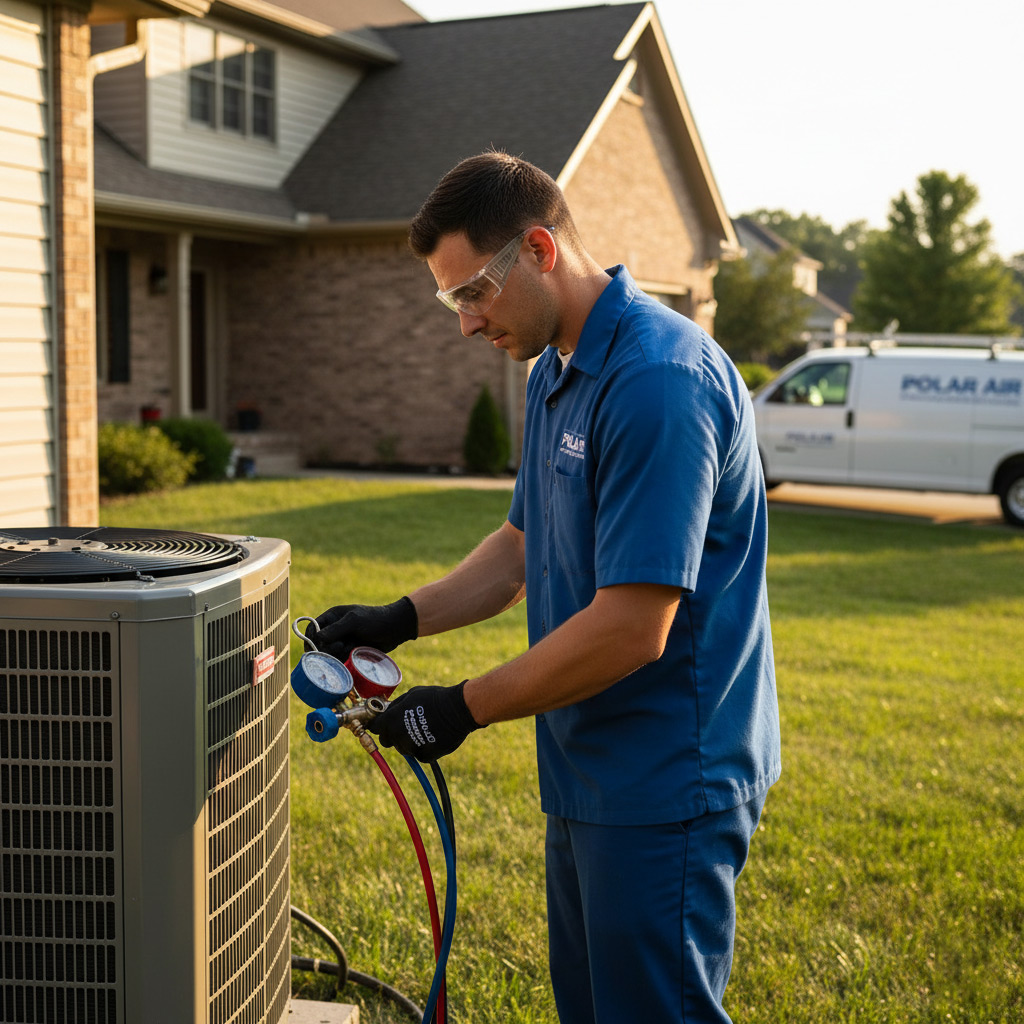
Local Permits, Inspections, and Code Requirements for Boiler Installations in Rancho Cucamonga
Before you even touch a pipe, Rancho Cucamonga’s Building & Safety Department wants to see paperwork. A building permit isn’t optional—it’s the legal green light that tells the city you’re following the rulebook. Skipping it can shut down the whole project before the first wrench turns.
What the city expects
The city’s codebook is crystal clear: every new boiler must meet the California Mechanical Code, the Energy Code, and local fire safety standards. That means you’ll need:
- Mechanical permit – proves the unit is sized correctly for your home.
- Electrical permit – required if the boiler has electronic controls or a new thermostat.
- Plumbing permit – covers any new water lines or condensate drains.
Each permit carries a fee, usually $150‑$300, and you’ll have to submit detailed plans. The city reviews them, then issues a permit number you must stamp on every connection.
Inspections you can’t ignore
Once the boiler is in place, a city inspector swings by. They’ll check clearances, venting, and pressure relief valves. Miss one of those, and you’ll get a “stop work” order and a re‑inspection fee that can add another $100‑$200 to your bill.
Pro tip: schedule the inspection before you finish the job. It saves you from tearing everything apart later. A quick call to the Rancho Cucamonga Permit Center can lock in a date and give you a checklist so you don’t get caught off guard.
Hidden Material and Labor Costs That DIY Enthusiasts Often Miss
Materials that sneak up on you
Most DIYers grab a boiler and a wrench, then think the job is done. What they forget is the network of accessories that keep a system safe and efficient.
Things like pipe insulation, a properly sized expansion tank, and a venting kit can add up fast. Don’t be surprised when a $150 insulation roll turns into a $400 line‑item.
- High‑temperature pipe insulation – $120‑$250
- Stainless‑steel vent pipe – $80‑$180
- Pressure relief valve – $45‑$90
- Carbon monoxide detector (mandatory in CA) – $30‑$70
Labor costs you can’t ignore
Even if you’re handy, you’ll spend hours tearing out old connections, cleaning up rust, and aligning new fittings. That time has a price tag, especially when you could be working a regular job.
Specialty tools—like a pipe threading machine or a gas leak detector—are rarely in a homeowner’s toolbox. Renting them can cost $50‑$150 per day, and you’ll still need a knowledgeable friend to show you how to use them.
- Tool rental (threader, leak detector) – $50‑$150
- Disposal fees for old boiler and metal scrap – $75‑$200
- Unexpected re‑work (mis‑aligned flanges, missed bolts) – $200‑$500
Risks of Improper Sizing, Efficiency Losses, and Increased Energy Bills
When the boiler’s too big or too small, the wallet feels it first
A boiler that’s oversized will cycle on and off like a nervous rabbit. Short bursts mean the heat exchanger never gets a chance to warm up fully, so you waste fuel for no reason.
Undersized units run nonstop, trying to keep up with demand. That constant grind burns more gas, and you’ll hear the thermostat screaming “why isn’t it warm?” while the meter spins faster.
Hidden performance drains you didn’t see coming
DIY installers often skip the heat‑loss calculation. Without that, the system can’t match the home’s real needs. The result? Cold spots, hot spots, and a thermostat that’s stuck in the middle.
Here’s what typically slips past the DIY radar:
- Wrong pipe diameter – creates pressure drops.
- Improper vent sizing – leads to incomplete combustion.
- Skipping a proper water‑flow test – causes uneven heating.
Energy bills that make you question every DIY decision
When the boiler runs inefficiently, your monthly gas bill can jump $150‑$300. That’s money you could have saved by calling a pro who knows the exact BTU requirements for a Rancho Cucamonga home.
And don’t forget the hidden cost of “comfort loss.” You’ll end up turning the thermostat up higher, burning even more fuel, just to chase the same temperature you should have had from day one.
Potential Fines, Re‑Inspection Fees, and Insurance Complications
Fines that hit you fast
Rancho Cucamonga’s building department doesn’t take shortcuts. If your DIY boiler skips the permit, you’re looking at a minimum $500 fine, and that’s just the start.
When the inspector catches an unapproved connection, the city can slap on additional penalties:
- $250 per violation for each code breach
- $1,000 if the work is deemed unsafe for occupants
- Potential legal fees if the case goes to court
Insurance headaches
Most homeowner policies require proof that work was performed by a licensed contractor. Skip the paperwork, and you risk a denied claim when something goes wrong.
Even if you’ve got a solid policy, insurers often charge a re‑inspection fee—usually $150‑$300—to verify that the boiler meets code after a DIY job.
Should a fire or leak occur, the insurer may label the incident “neglect,” leaving you on the hook for:
- Repair costs that can exceed $10,000
- Loss of coverage for future claims
- Higher premiums for years to come
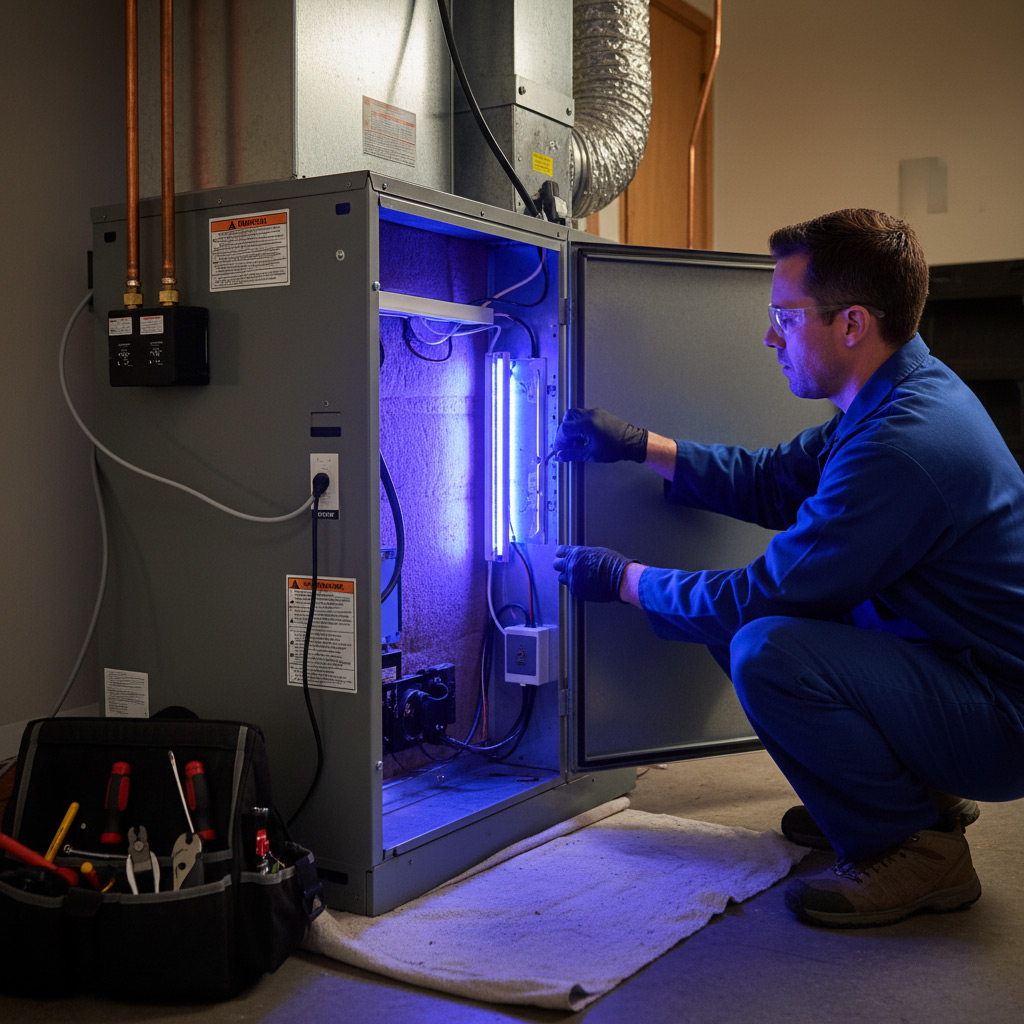
The True Cost of Damage: Structural, Electrical, and Safety Hazards
Cracks, Shifts, and Water Intrusion
When a DIY install goes sideways, the boiler can leak right into your foundation. A single drip can swell wood, rot drywall, and force you into a costly remodel.
Typical fallout includes:
- Foundation cracks that need epoxy filling.
- Warped joists that demand replacement.
- Moisture‑laden insulation that must be ripped out.
Don’t underestimate the price tag on a ruined slab.
Live Wires and Fire Risks
Most homeowners think “plug it in and go.” In reality, a boiler draws heavy amperage and must be wired to a dedicated circuit.
Mis‑wired connections can spark:
- Burned conduit that needs a full rewiring.
- Tripped breakers that fry your panel.
- Potential house fire that voids insurance.
One short circuit can erase years of savings.
Carbon Monoxide & Personal Safety
A mis‑aligned vent or cracked heat exchanger lets deadly CO seep into living spaces. You won’t see it, but you’ll feel the danger.
Consequences you’ll face:
- Medical bills from CO poisoning.
- Legal liability if a neighbor is harmed.
- Mandatory replacement of the entire system.
Safety isn’t negotiable—your family’s health is on the line.
Case Study: DIY Boiler Replacement Gone Wrong vs. Professional Installation in Rancho Cucamonga
The DIY Disaster
Mike, a longtime Rancho Cucamonga homeowner, thought a weekend in the garage would save him $1,200. He bought a “budget” boiler off the internet, skipped the permit, and tried to hook it up himself.
- He used the wrong pipe size, causing a leak that flooded the basement.
- He missed the required vent clearance, which later triggered a city inspection failure.
- He didn’t calibrate the pressure relief valve, leading to a dangerous over‑pressure event.
Within 48 hours, the house smelled of gas, the insurance company called, and the city issued a stop‑work order. The bill? Over $4,500 in repairs, fines, and emergency services.
Professional Playbook
When Mike finally called a licensed HVAC contractor, the crew arrived with the proper permits, a correctly sized high‑efficiency boiler, and a clear plan.
- They performed a load calculation to match the home’s square footage.
- All connections met the California Mechanical Code, and the venting was inspected on the spot.
- They offered a 10‑year warranty and scheduled a post‑install efficiency test.
The total cost was $3,200, but the homeowner walked away with a system that passed every inspection and saved $150 a month on energy.
Bottom‑Line Comparison
Mike’s DIY attempt cost him $1,300 more than the professional job, plus the stress of a potential safety hazard. The licensed crew delivered a clean install, a valid warranty, and peace of mind that a DIY job simply can’t match.
Final Words
When the heat kicks on, you want confidence, not a surprise bill. Hiring a licensed pro means you skip the guesswork, dodge hidden fees, and stay on the right side of Rancho Cucamonga’s code.
Quick takeaways
- Permits and inspections are non‑negotiable – they protect you and your home.
- DIY often overlooks hidden material costs and proper sizing, which can jack up energy use.
- Fines, re‑inspection fees, and insurance headaches add up fast.
- Structural, electrical, and safety hazards can turn a simple swap into a costly disaster.
Ready to avoid the nightmare and get a clean, efficient install? Check out our Boiler Installation service page and let the experts handle the heavy lifting.
People Also Ask
Do I need a permit to install a boiler in Rancho Cucamonga?
Yes, the City of Rancho Cucamonga requires a building permit and a mechanical inspection for any new boiler installation. Skipping this step can lead to fines and may void your homeowner’s insurance.What hidden material costs can DIY installers overlook?
DIYers often forget to budget for proper venting, expansion tanks, and high‑temperature piping, which can add several hundred dollars. Inadequate materials can also cause premature system failures.How can an incorrectly sized boiler affect my energy bills?
An oversized boiler cycles on and off frequently, wasting fuel and increasing wear, while an undersized unit runs continuously, driving up utility costs. Both scenarios reduce overall efficiency and raise monthly expenses.Can I be fined for a failed boiler inspection?
If the installation does not meet local code, the city can issue a citation and require a re‑inspection, costing anywhere from $150 to $500 in fees. Re‑work may also be needed, further inflating the total cost.What are the safety risks of a DIY boiler replacement?
Improper installation can lead to gas leaks, carbon monoxide exposure, and electrical hazards, posing serious health threats. These risks often result in costly repairs and potential liability claims.
Rancho Cucamonga HVAC brings over 15 years of certified heating and cooling expertise to the Rancho Cucamonga community. Their team specializes in residential and commercial climate solutions, delivering reliable service tailored to local needs. Committed to energy efficiency and responsive support, they keep homes comfortable year-round.
Need HVAC?
We provide rapid HVAC installation, repair, and maintenance for homes and businesses in Rancho Cucamonga and nearby ZIPs (91701, 91730, 91737, 91739, 91761), restoring comfortable indoor climates quickly, often the same day.
Request HVAC Quote